


Gratitude gets a lot of attention this time of year. So much so that it can start to feel like the verbal equivalent of a pumpkin-spiced latte: predictable, performative, and a little artificially sweet. (Apologies to all of you PSL lovers. I’m an iced Americano coffee drinker…the stronger, the better.)
Gurus tell us to “practice gratitude” the same way we’re told to eat our body weight in protein and hit 10,000 steps each day. Lovely ideas, yet they’re rarely met with any long-term enthusiasm. But what if I told you that the most effective way to feel and receive sincere gratitude isn’t a regimented gratitude practice filled with journaling and meditation — but, instead, through storytelling?
According to Dr. Andrew Huberman, a neuroscientist and host of the wildly respected Huberman Lab podcast (a favorite podcast of mine!), our brains are wired to respond not to the idea of gratitude, but to the experience of it.
In a recent Huberman Lab episode on The Science of Gratitude, Huberman explained that gratitude is far more than being thankful or expressing thanks. From a neuroscientific perspective, gratitude is a state shift—a rewiring of the brain—that only activates when we feel the emotion, not when we simply list things we’re grateful for.
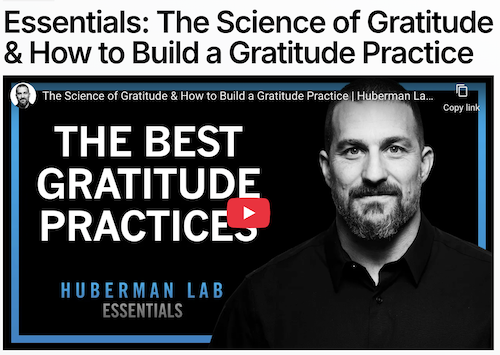
Citing many studies, Huberman repeatedly explained that the most potent gratitude practices share one element: storytelling. Specifically, the brain responds most powerfully when we hear or recall a narrative in which someone receives meaningful support from another person.
Storytelling is an incredibly powerful delivery system for gratitude because our brains don’t light up from data points; they activate from emotionally resonant experiences.
In other words, it’s science.
This is precisely why TwoRoads leads with storytelling and incorporates it into nearly every aspect of the marketing strategies we develop for brands.
When we focus marketing strategies around narratives, we tap into the same parts of our minds that interpret gratitude as meaningful, creating trust, resonance, and belonging—the foundations of any lasting brand relationship.
Our Audience Won’t Always Remember What We Tell Them. But They Will Remember How Our Stories Made Them Feel.
During the holiday season, when gratitude messaging can feel predictable or transactional, brands have an opportunity to elevate their communication: tell real stories. Stories of the customer who overcame an obstacle with your support. Stories of the founder who built a product because someone once extended them a lifeline. Stories of the community that grew around shared values.
By sharing these narratives, brands aren’t just expressing gratitude—they’re allowing their audience to feel grateful, appreciated, and connected.
And the beauty is that a gratitude storytelling strategy isn’t seasonal. Brands that weave storytelling into their year-round communication create a compounding effect of trust and emotional familiarity.
As Huberman’s podcast discussion suggests, gratitude is most transformative when it’s consistent, relational, and grounded in human experience. Storytelling makes that possible—for audiences and for the brands that serve them.
As you continue to craft and post your brand stories this holiday season – and all year long – I encourage you to tap into our collective neurobiology and share stories of gratitude with your audience. I can think of no better way to give genuine thanks to your customers, team, partners, and families for the incredible work they do and the support they offer throughout the year.